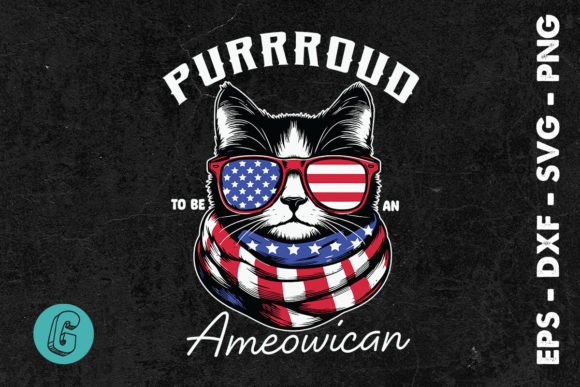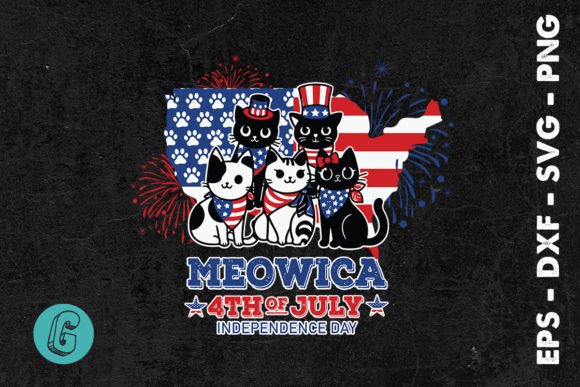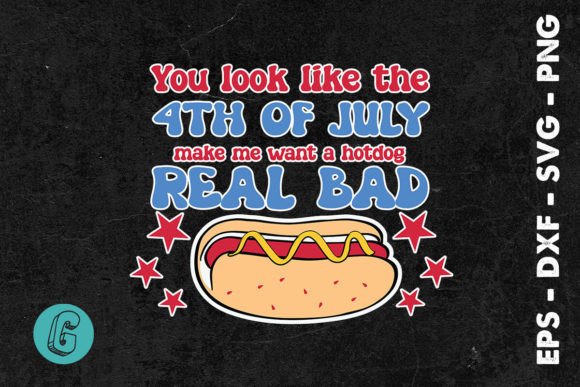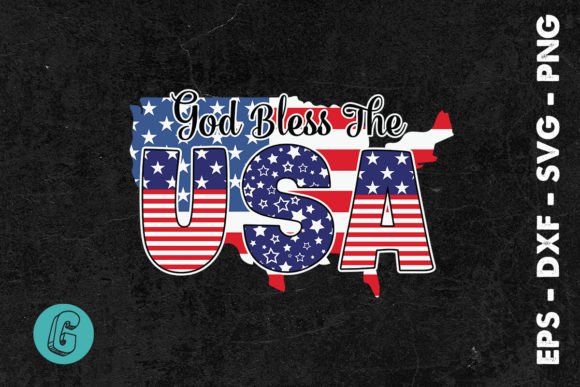
God Bless the USA 4th of July SVG
A Designer’s First Look: Bold, Patriotic—and Ready for Real Stitching
When I opened God Bless the USA 4th of July SVG, my first thought wasn’t “cute” or “festive”—it was “this will hold up.” As someone who tests embroidery files daily—on everything from baby onesies to boutique aprons—I scanned the layout immediately: centered composition, balanced letter spacing, clean star-and-stripes accents, and a confident, slightly vintage-serif font that avoids looking cartoonish. It feels celebratory without tipping into clutter. That matters—because this isn’t just an illustration; it’s a machine embroidery design waiting to become a finished product.
Where It Shines: Real Projects, Real Customers
I tested God Bless the USA 4th of July SVG as a custom embroidered tote bag for a local farmers’ market vendor. The result? Instant recognition, warm reactions, and zero confusion about the theme. That’s the quiet power of smart design: clarity at a glance. It works especially well on medium-to-large surfaces where the text remains legible after stitching—think sweatshirt backs, pillow covers, tea towels, and nursery wall hangings. For Etsy sellers or small shop owners, it’s a reliable anchor for holiday collections: pair it with simple red/white/blue thread combos, and you’ve got a cohesive, professional-looking line of personalized gifts.
The SVG format made resizing straightforward in my design software—no pixelation, no guesswork. And because it’s pre-sized, I didn’t waste time adjusting proportions before digitizing. That’s critical when you’re juggling client deadlines or prepping for craft fairs. As a digital embroidery file, it’s clean enough to convert cleanly into an applique design or layered satin stitch treatment—ideal if you want to add subtle texture without overcomplicating the stitch path.
Where to Pause—Not Every Fabric or Fit Is Equal
This isn’t a one-size-fits-all embroidery file. On thin or stretchy fabrics—like lightweight cotton tees or baby bodysuits—I’d recommend adding light cutaway stabilizer and reducing stitch density slightly in the lettering zones. Dense fill stitches around the stars can pull delicate weaves, so test on scrap first. Same goes for curved surfaces: cap fronts or baseball hats need careful hooping and possibly simplified versions of the outer decorative elements to avoid distortion.
Dark fabric is another consideration. The design’s strong outlines help, but tiny details—like fine star points or tight serifs—can blur if thread contrast isn’t sharp. I ran a quick black-and-white mockup and confirmed that white or bright kelly green thread pops best against navy or charcoal. Also, avoid using God Bless the USA 4th of July SVG at under 3 inches wide on apparel—it loses impact, and small letters risk becoming indistinct after stitching.
What It Adds to Your Handmade Product—Beyond the Obvious
Let’s be honest: patriotism sells—but only when it feels authentic, not generic. This design lands because it balances reverence with approachability. Customers don’t just see “4th of July”; they feel connection—whether it’s a veteran gifting a sweatshirt to their grandchild, a boutique owner curating Americana-themed kitchen towels, or a craft fair vendor selling embroidered patches for scout troops.
That emotional resonance lifts perceived value. A simple tote bag becomes a keepsake. A baby onesie becomes a milestone photo prop. An embroidered patch becomes collectible. And for commercial embroidery or digital product sellers, that trust transfers directly to your brand: consistent quality, thoughtful execution, and respect for the craft.
Practical Notes Every Embroidery Designer Should Keep Handy
- Always test on scrap fabric first—especially with textured or knit materials. See how the lettering holds, how the stars render, and whether the overall balance shifts.
- Check thread color contrast early. Red, white, and navy are classic—but consider high-visibility options (like neon orange or metallic gold) for modern appeal.
- Review stitch density before sending to the machine. Overly dense fills increase wear on needles and thread breakage on long runs.
- Confirm hoop size compatibility. Some versions may require a 5x7 or larger hoop—verify before cutting fabric or prepping garments.
- Inspect small details at actual stitch scale. Zoom in on corners, serif ends, and star tips. If they look fragile on screen, they’ll likely fray or skip during embroidery.
- Use proper stabilizer for your base fabric. Tear-away works for stable wovens; cutaway is safer for knits or heirloom items.
- Verify licensing terms before selling finished items or digital products. Since this is categorized under Illustrations and Graphics, confirm whether commercial use is included—especially for Etsy sellers bundling it into printable mockups or editable design assets.
Final Thought: Not Just a Holiday File—A Reliable Design Asset
God Bless the USA 4th of July SVG isn’t flashy. It doesn’t try to outshine. Instead, it delivers what working designers and small business owners actually need: clarity, versatility, and quiet professionalism. Whether you’re stitching a single custom apron for a local café or building a full holiday collection for your craft business, this embroidery file earns its place in your library—not as filler, but as foundation.
It reminds me why I still love this work: the right design, used thoughtfully, doesn’t just decorate fabric—it carries meaning, builds connection, and turns everyday handmade products into something people keep.