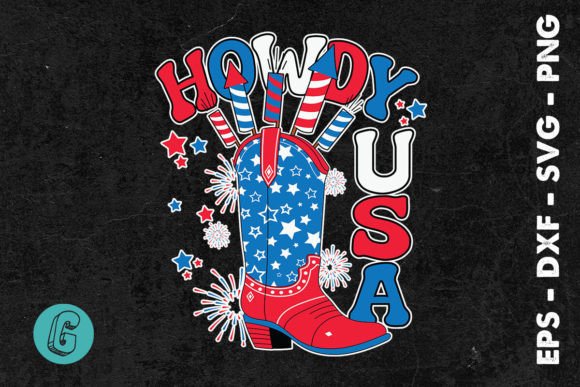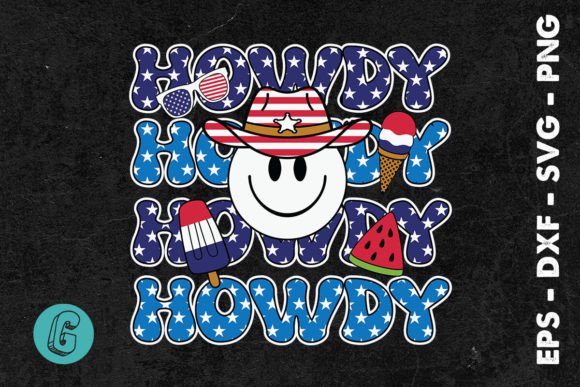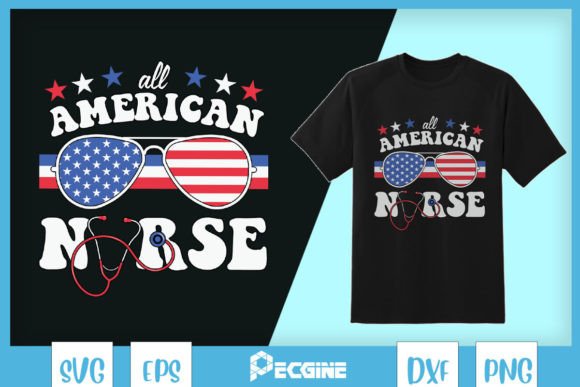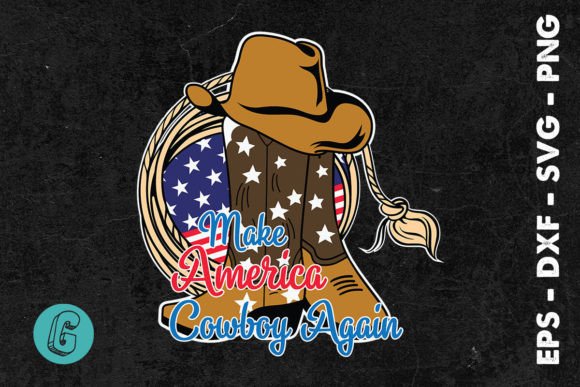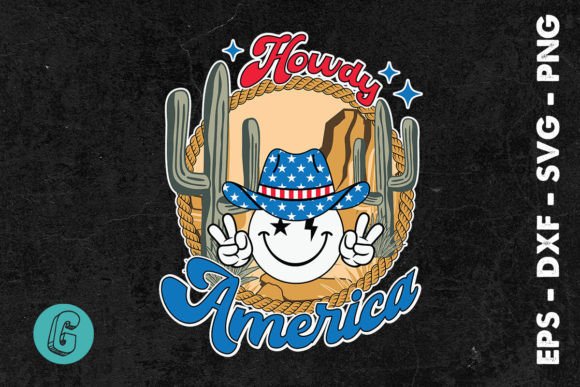
Howdy America Smiley 4th of July SVG: T-Shirt Designs & Graphics
As a graphic designer who’s built brand identities for handmade businesses, seasonal Etsy shops, and local festival vendors over the past 12 years, I opened Howdy America Smiley 4th of July SVG expecting cheerful Americana—but what stood out immediately was its intentional balance of playfulness and polish. It’s not just another star-spangled clipart file; it’s a cohesive illustration with warm, rounded lettering, a friendly hand-drawn smiley face wearing a tiny red-white-and-blue bandana, and subtle patriotic flourishes—no clutter, no visual noise. The mood is upbeat but grounded, nostalgic without feeling dated. That makes it ideal for a client like “Prairie Hearth,” a small-batch candle brand launching a limited-edition Liberty Glow summer collection targeting Midwestern craft fairs and Instagram-driven gift buyers.
Where This Graphic Design Asset Earns Its Place in Real Projects
In that Prairie Hearth project, Howdy America Smiley 4th of July SVG became the unifying visual thread across multiple touchpoints—not as a logo, but as a trusted supporting element. On t-shirt design mockups, it scaled beautifully across chest prints and back graphics, holding clarity even at 8 inches wide. As a sublimation design on ceramic mugs and tote bags, the clean vector paths prevented pixelation or bleeding during heat transfer. For packaging design, we used the SVG version to create a die-cut sticker label for candle jars—its bold outlines and generous negative space ensured crisp registration on matte kraft paper. And in social media graphics? It anchored Instagram carousels and Pinterest pins without competing with product photography or copy. That versatility isn’t accidental—it’s baked into how the asset was constructed: balanced weight distribution, consistent stroke contrast, and intentional spacing between elements.
Strongest Use Cases: Hero Graphics, Themed Collections & Product Mockups
This asset shines brightest where personality matters most. Think hero banners for seasonal landing pages, printable wall art for boutique pop-ups, or decorative accents in Canva templates aimed at small business branding. It works exceptionally well in large layout areas—like a full-bleed background for a 4th of July email header—or as a focal point in product mockups for print-on-demand platforms. In editorial design for local newsletters or blog visuals, it adds warmth without sacrificing professionalism. As part of a themed collection—say, a bundle of Independence Day graphics for digital sellers—it provides instant cohesion when paired with complementary stars, fireworks silhouettes, or vintage ribbon motifs. Its emotional appeal lands firmly in “approachable patriotism,” making it resonate with audiences who value authenticity over sterility.
Careful Use Zones: Minimalist Branding, Small Sizes & Complex Backgrounds
That said, I’d hesitate to use Howdy America Smiley 4th of July SVG in minimalist branding systems—think sleek tech startups or luxury skincare lines—where restraint and typographic purity are non-negotiable. At under 1 inch tall, some fine details (like the bandana’s stitching line) begin to blur, especially in PNG format unless exported at ultra-high DPI. On busy backgrounds—textured photos, dense patterns, or low-contrast gradients—the smiley’s warmth can get visually swallowed. And while it pairs beautifully with friendly sans serifs (think Montserrat Bold or Poppins SemiBold), it clashes with tight serif fonts or ultra-thin display fonts. It also doesn’t function as a standalone logo design; it lacks the scalability and abstraction needed for true brand identity work.
Designer Notes You Can’t Skip Before Client Deployment
Before dropping this into any commercial design, run these checks: First, test it in black and white—does the silhouette still read clearly? Second, preview it on both light and dark backgrounds using your final export settings; the PNG version includes a transparent background, but always verify edge fringing in layered composites. Third, place it on real product mockups—not just flat previews—to assess proportion and visual weight in context. Fourth, confirm the commercial license explicitly covers your use case: client deliverables, print-on-demand resale, or digital product bundles. Fifth, inspect the SVG file in Illustrator or Affinity Designer—can you easily adjust colors, isolate elements, or tweak anchor points? Sixth, compare how it interacts with your chosen font families: does it harmonize with script fonts for invitations, or hold its own next to bold handwritten styles for stickers? Finally, run a quick print test—especially if using it for physical packaging or iron-on transfers—to ensure color fidelity and sharpness.
Why It Fits the Creative Marketplace—Without Compromising Craft
What separates Howdy America Smiley 4th of July SVG from generic clipart is its intentionality. It’s not just a digital product—it’s a considered creative design, built with real-world constraints in mind: pre-sized formats, thoughtful spacing, and smart layer organization. For Cricut users, the DXF compatibility means seamless cut-file integration. For Etsy sellers, it slots cleanly into design bundles without requiring heavy editing. For marketers building seasonal campaigns, it delivers instant recognition and emotional resonance—key drivers for audience engagement in crowded feeds. And for designers managing multiple clients, having a reliable, licensable, production-ready graphic design asset saves hours of custom illustration time—time better spent refining brand voice or optimizing conversion flow.
Ultimately, Howdy America Smiley 4th of July SVG earns its spot in my working toolkit because it solves a specific, recurring need: injecting joyful, seasonally relevant personality into commercial design—without sacrificing polish, scalability, or professional credibility. When used with intention—not as filler, but as a deliberate visual decision—it elevates everything from t-shirt design to packaging design, turning functional deliverables into memorable brand moments.