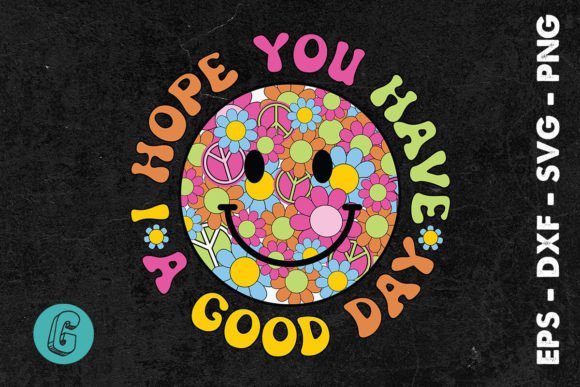
I Hope You Have a Good Day SVG: Graphics for Crafts & Branding
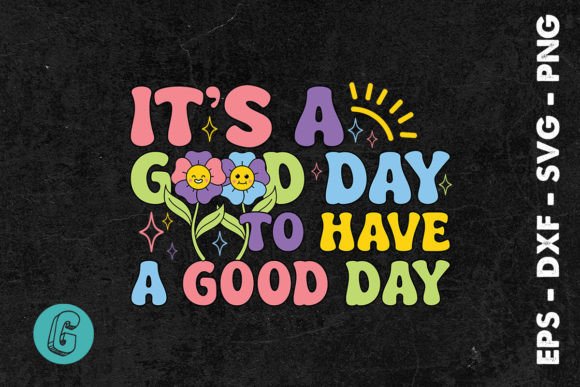
As a brand designer who’s built visual systems for 12+ small businesses—and as a content marketer who’s A/B tested hundreds of social graphics—I opened I Hope You Have a Good Day SVG expecting cheerful cliché. Instead, I found a surprisingly versatile graphic design asset: clean, emotionally grounded, and quietly professional. It landed with warmth—not saccharine sweetness—and immediately sparked ideas for a real campaign: a spring product launch for a handmade ceramic studio launching “Daily Ritual” mugs. Their audience? Mindful creatives, wellness-adjacent shoppers, and gift buyers seeking sincerity over flash.
First Impression: Mood, Tone, and Brand Fit
The design reads as modern but human—soft curves in the letterforms, balanced spacing, and a gentle rhythm that invites pause rather than skimming. It doesn’t scream; it smiles. That makes it ideal for lifestyle brands, editorial content, or service-based businesses where trust and approachability drive conversion. It leans handmade and heartfelt—not corporate or tech-forward—but avoids looking dated or overly rustic. For brands rooted in authenticity—online coaches, small-batch makers, or mindful publishers—it reinforces emotional connection without diluting professionalism.
Where This SVG Design Earns Its Place in Real Campaigns
In our ceramic studio project, I Hope You Have a Good Day SVG became the unifying thread across touchpoints:
- Social media graphics: Used as a subtle watermark overlay on flat-lay photos of mugs—adding warmth without cluttering the hero product.
- Pinterest pins: Paired with minimalist serif typography and soft neutral backgrounds to boost click-through on “self-care morning routine” content bundles.
- Packaging inserts: Printed on recycled kraft cards tucked inside shipping boxes—elevating unboxing into a branded moment of care.
- Email banners: Placed above a CTA button in a spring promo sequence—softening sales language while reinforcing brand voice.
- Canva templates: Embedded into editable social kits sold in their digital shop—customers loved the ready-to-use positivity, and it reinforced their brand’s calm ethos.
It also performed well in unexpected places: as a decorative element on blog headers (paired with hand-drawn icons), as a recurring motif in a lead magnet PDF (“5 Days of Gentle Productivity”), and even scaled down tastefully on sticker sheets included with subscription boxes.
How It Strengthens Core Marketing Goals
This isn’t just clipart—it’s a strategic visual shorthand. When applied intentionally, I Hope You Have a Good Day SVG supports measurable outcomes:
- Stronger first impression: Its balanced weight and generous letter spacing ensure legibility at a glance—even on mobile feeds.
- Clearer visual hierarchy: Works best when given breathing room, guiding the eye toward primary messages instead of competing with them.
- More consistent branding: Because it’s available in SVG, PNG, and DXF formats, it scales flawlessly across print (labels, stickers) and digital (ads, web banners).
- Better audience trust: Feels human-made and intentional—not AI-generated or stock-generic—key for audiences wary of polished impersonality.
- Emotional connection + memorability: Repetition of this phrase across channels builds gentle recognition, like a friendly signature rather than a slogan.
Best Uses: Hero Moments, Not Background Noise
Lean into its strengths where tone matters most: hero graphics for seasonal campaigns, headers for nurturing email sequences, packaging accents that reward discovery, branded Canva templates for clients or customers, and editorial layouts where warmth complements storytelling. It shines as a decorative brand element—think corner flourishes on printable planners or delicate borders on digital product visuals—not as a standalone logo or primary headline in dense layouts.
Use With Intention—Not Autopilot
This graphic design asset isn’t universal. Avoid it in formal corporate branding, legal disclaimers, or text-heavy Facebook ads where clarity trumps charm. It can fade on low-contrast backgrounds (e.g., light gray on white), struggle in tiny mobile thumbnails (<120px width), and feel tonally mismatched beside ultra-minimalist or high-gloss luxury aesthetics. If your brand voice is bold, ironic, or data-driven, this SVG may soften your message unintentionally.
Pro Designer Notes Before You Drop It Into Layout
Before finalizing any campaign using I Hope You Have a Good Day SVG, run these checks:
- Test it against your full brand color palette—does it harmonize in both primary and accent tones?
- Convert to grayscale: does it retain impact in black-and-white applications (e.g., embroidery, stamping, monochrome print)?
- Drop it into real mockups—product shots, Instagram story frames, email templates—to assess balance and scale.
- Preview on actual mobile devices: does spacing hold? Does the phrase remain legible at 80% size?
- Compare side-by-side with top 3 competitor visuals—does it stand out for sincerity, not sameness?
- Pair it with your core fonts: does it complement serif elegance, sans-serif clarity, script personality, or handwritten intimacy?
- Review licensing: confirm commercial license coverage before using in client work, paid ads, or digital product visuals.
Used thoughtfully, I Hope You Have a Good Day SVG becomes more than decoration—it becomes part of your brand’s quiet confidence. It signals care without demanding attention, supports marketing goals without shouting, and fits seamlessly into the growing ecosystem of professional branding tools trusted by creative entrepreneurs. Whether you’re building a digital product, refreshing small business branding, or assembling a content kit for Pinterest or Etsy, this SVG design delivers warmth with precision—and that’s rare in today’s oversaturated creative marketplace.