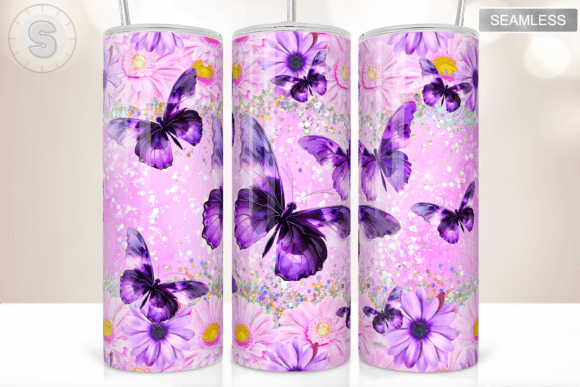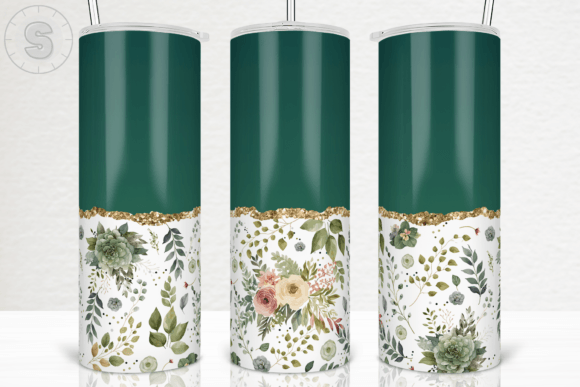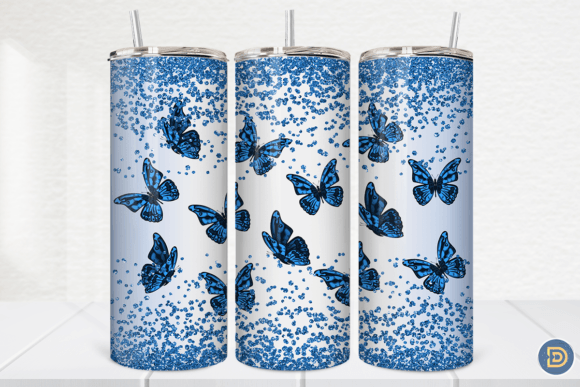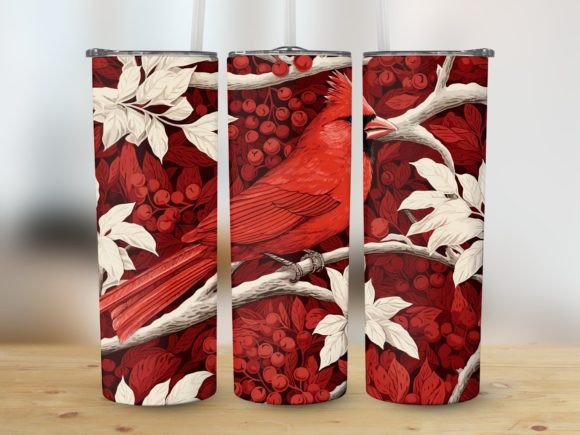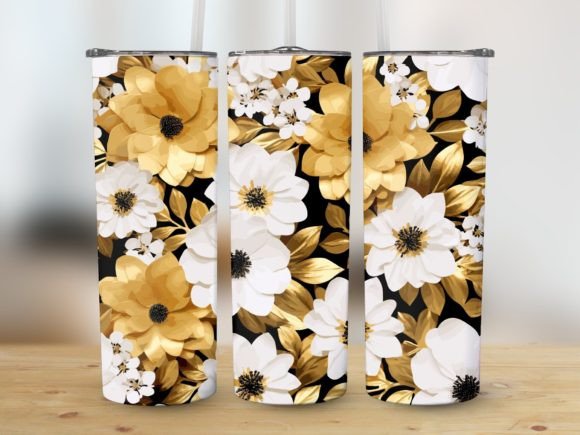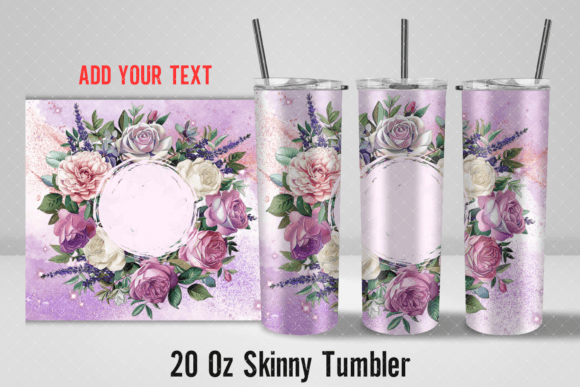
Flowers Glitter Tumbler 20oz Sublimation
A Designer’s First Glance: Delicate, Sparkling—But Not for Every Stitch
When I opened the Flowers Glitter Tumbler 20oz Sublimation file, my eye went straight to the rhythm of the blooms—soft curves, layered petals, and that subtle glitter texture rendered in high-res PNG. It’s clearly designed for sublimation on a straight-walled 20oz skinny tumbler (9.3″ x 8″), but as an embroidery designer who regularly adapts graphics for stitch, I immediately asked: What happens when this becomes thread instead of ink? The answer isn’t yes or no—it’s where, how, and with what intention.
This Design Feels Like a Springtime Gift—Not a Logo
The Flowers Glitter Tumbler 20oz Sublimation carries a gentle, feminine energy—think baby shower totes, boutique aprons, or embroidered tea towels for a local café. It’s not bold enough for a gym sweatshirt logo, nor intricate enough for heirloom baby embroidery where fine detail reads at 3 inches wide. But on a linen pillow cover? A cotton twill patch for a denim jacket? A custom embroidered kitchen towel gifted at a housewarming? Yes—it lands with warmth and quiet charm. Its visual personality is handmade, not mass-produced, which builds instant trust with customers browsing Etsy or craft fairs.
Where It Translates Well—And Where It Stumbles
In real embroidery use, the Flowers Glitter Tumbler 20oz Sublimation shines on stable, medium-weight fabrics: canvas tote bags, structured cotton aprons, midweight sweatshirts, and quilted pillow covers. The floral layout flows naturally across vertical surfaces, and its open spacing avoids dense fill-stitch traps that cause puckering or thread breakage. As a machine embroidery design, it would work cleanly as a satin-stitch border around a monogram or as a centered motif on a nursery onesie—provided the scale is adjusted thoughtfully.
But caution applies where precision matters: on curved surfaces like caps or hats, the top-heavy bloom cluster may distort unless digitized anew. On stretchy fabric (like jersey baby onesies), the design’s width demands proper cutaway stabilizer—and even then, tiny petal edges could blur without careful underlay planning. And on dark fabric? That subtle glitter effect won’t translate; you’ll need rich thread colors (deep emerald, burgundy, gold metallic) to preserve depth and contrast.
Real Project Test: Turning It Into a Handmade Tote Bag Design
Last week, I prepped a batch of organic cotton tote bags for a local florist’s pop-up. I used the Flowers Glitter Tumbler 20oz Sublimation as visual reference—not stitching it directly, but redrawing key elements into a simplified, stitch-friendly embroidery file. Why? Because the original PNG has soft gradients and fine glitter noise that don’t convert cleanly to satin or fill stitch without heavy editing. What worked was borrowing its silhouette, spacing, and floral hierarchy—then rebuilding it with clean vector paths, balanced stitch density, and intentional satin-width margins. The result felt cohesive with the brand, yet fully functional for commercial embroidery.
Practical Notes Every Embroidery Designer Should Check
- Test first on scrap fabric—especially if using textured weaves or lightweight linens. Glitter textures in PNGs often hide edge fuzziness that becomes visible in stitch.
- Review thread color contrast before finalizing. This design relies on tonal layering; low-contrast threads (e.g., light pink on blush fabric) will lose definition.
- Confirm hoop size compatibility. At full 9.3″ width, it exceeds standard 5x7 hoops—so plan for larger hoops or split the design intentionally.
- Inspect small details at actual stitch scale. Petal tips, stem lines, and glitter highlights may vanish or blob if digitized without underlay or reduced density.
- Try black-and-white mockups to assess value separation—critical for readability on both light and dark backgrounds.
- Use appropriate stabilizer: medium tear-away for stable cottons, cutaway for knits or lightweight fabrics.
- Verify licensing before selling finished products or digital embroidery files derived from this graphic. Since it’s listed as a sublimation design for tumblers, commercial embroidery rights aren’t implied—check with the seller.
For Craft Business Owners & Etsy Sellers: Think Beyond the File
If you’re listing this as part of your Crafts or Graphics shop, position it honestly—not as “ready-to-stitch,” but as a design asset with embroidery potential. Pair it with a simple digitized version you’ve tested, or offer customization services (“I’ll adapt this into a stitch-ready file for your tote bag line”). Customers appreciate transparency, and it sets realistic expectations. For holiday embroidery or personalized gifts, this design works beautifully when scaled down to 4–5″ and paired with a short sentiment—just remember: glitter in print ≠ sparkle in thread. Let the flowers speak, and let the stitching support—not compete with—their shape.
Final Thought: It’s a Mood, Not a Machine File
The Flowers Glitter Tumbler 20oz Sublimation isn’t a plug-and-play embroidery file—but it’s a thoughtful, evocative starting point. Used with intention, it elevates handmade product storytelling, adds seasonal warmth to small shop merchandise, and fits seamlessly into curated collections of custom apparel, baby embroidery, or boutique branding. Just remember: great embroidery begins with seeing the design not as pixels, but as thread, tension, fabric, and the quiet pride of someone holding a truly personal finished product.